What Is a Regenerative Thermal Oxidizer? A Complete Guide for Industries
- Teknoflow SEO
- Dec 8, 2025
- 3 min read

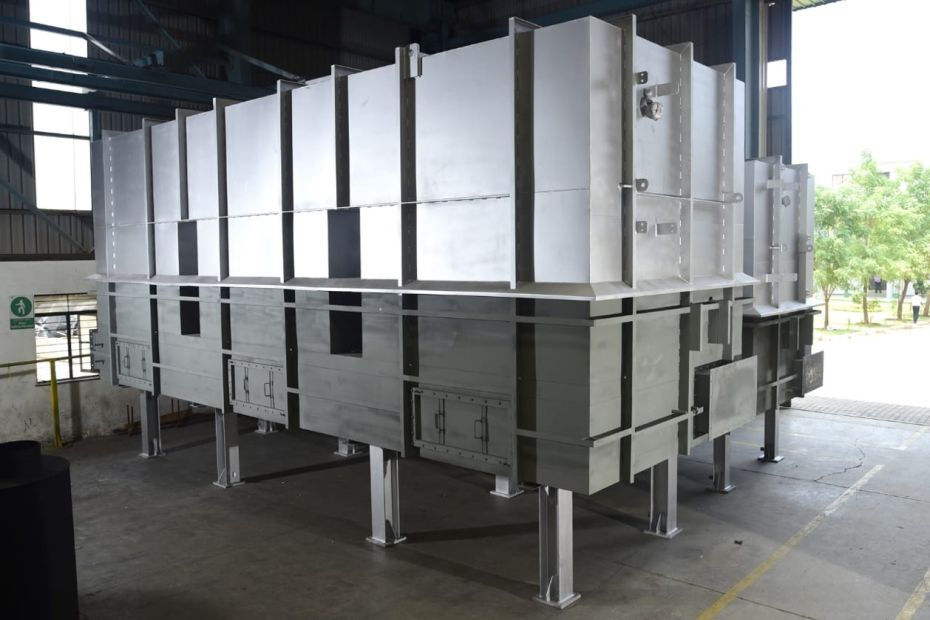
Industrial operations often release volatile organic compounds (VOCs), hazardous air pollutants (HAPs) and odorous gases. As environmental rules tighten and sustainability takes center stage, industries search for cleaner, smarter solutions. One technology rising above the rest is the Regenerative Thermal Oxidizer (RTO), a system that captures and destroys pollutants with exceptional efficiency.
This guide explains what a Regenerative Thermal Oxidizer is, how it works, where it’s used and why it’s considered one of the most energy-efficient air pollution control systems in the world.
What Is a Regenerative Thermal Oxidizer? (RTO Explained)
A Regenerative Thermal Oxidizer is an industrial air pollution control system designed to destroy VOCs, fumes and harmful emissions by heating them to high temperatures. It uses heat-recovery chambers known as “regenerative beds” to recycle thermal energy and reduce fuel consumption.
Key Functions of an RTO
Oxidizes harmful gases at 800-1000°C
Converts pollutants into CO₂ and water vapor
Recovers up to 95% of heat energy
Reduces operating cost and fuel usage
This heat-recycling ability is what makes RTOs far more energy-efficient than traditional incinerators.
How Does a Regenerative Thermal Oxidizer Work?
To understand what is a regenerative thermal oxidizer is it helps to look at the airflow journey:
Step-by-Step RTO Operation
Polluted air enters the inlet chamber The air is directed through a ceramic heat-recovery bed.
Ceramic media preheats the air This captures heat from previous cycles, reducing fuel needed.
Air enters the combustion chamber The temperature is raised to 800–1000°C to destroy VOCs and pollutants.
Clean air exits through another ceramic bed This bed absorbs heat, conserving energy for the next cycle.
Valves alternate the airflow direction This enables continuous heat recovery and stable performance.
Benefits of Regenerative Thermal Oxidizers
Industries choose RTOs for a blend of environmental compliance and cost efficiency.
Major Advantages
High destruction efficiency (up to 99%)
Low fuel consumption due to regenerative heat storage
Reduced operating costs
Long service life with ceramic heat media
Capable of handling high VOC loads
Suitable for large airflow volumes
In short, RTOs give industries a clean-air safety net without the burden of high energy bills.
Applications of RTO Systems in Industries
RTOs support industries where emissions are continuous, high-volume, or solvent-based.
Common Industrial Uses
Paints & coatings
Chemical manufacturing
Printing & packaging
Pharmaceuticals
Food processing
Automotive plants
Petrochemical operations
Their versatility makes them one of the most widely adopted air pollution control technologies globally.
Types of Regenerative Thermal Oxidizers
Not all RTOs are built the same. Their chamber configuration and airflow design drive performance and efficiency.
Popular RTO Configurations
Two-chamber RTO Ideal for moderate pollution loads
Three-chamber RTO Offers continuous high-efficiency operation
Multi-bed RTO Used in large industrial plants requiring near-zero emissions
Choosing Regenerative Thermal Oxidizer Manufacturers
Selecting the right equipment partner is crucial for safe installation, compliance and long-term reliability. Many industries prefer trusted regenerative thermal oxidizer manufacturers with strong engineering experience.
What to Look for
Compliance with CPCB and global emission norms
Strong engineering capabilities
High-quality refractory and ceramic media
After-sales service and spare parts support
Custom airflow and chamber sizing
Proven experience across industries
For Indian industries, choosing reputed regenerative thermal oxidizer manufacturers in India helps ensure local support, quicker service and cost-effective customization.
How RTOs Support Environmental Compliance
Governments worldwide, including India, mandate VOC control in many sectors. Installing an RTO helps industries:
Meet regulatory standards
Reduce odour and chemical exposure
Improve workplace and environmental safety
Strengthen sustainability initiatives
Final Thoughts
Understanding what a Regenerative Thermal Oxidizer is the first step toward choosing the right pollution-control system for your facility. With high destruction efficiency, low energy consumption and long-term reliability, RTOs have become the gold standard for VOC removal across various industrial sectors. They help businesses reduce emissions while supporting cleaner, safer and environmentally responsible operations.
Whether you’re upgrading existing equipment or planning a new installation, partnering with experienced Regenerative Thermal Oxidizer manufacturers like Teknoflow Green Equipments Pvt. Ltd. ensures consistent performance, regulatory compliance and long-term operational benefits.
FAQs
Q1. What is the purpose of a Regenerative Thermal Oxidizer? Ans: Its purpose is to destroy VOCs and hazardous emissions while recovering thermal energy to reduce fuel consumption.
Q2. How efficient is an RTO system? Ans: A modern RTO can achieve 95% heat recovery and up to 99% VOC destruction efficiency, making it highly energy-efficient.
Q3. What industries use Regenerative Thermal Oxidizers? Ans: Industries such as paint, chemical, automotive, coating, packaging and pharmaceuticals frequently use RTOs.
Q4. How do I choose regenerative thermal oxidizer manufacturers in India?
Ans: Look for certified manufacturers with proven projects, customization options, quality ceramic media and strong after-sales support.



Comments