How Pressure Vessels Are Made in India A Complete Beginner's Guide
- Teknoflow SEO
- 2 days ago
- 5 min read


If you have ever wondered how large steel tanks used in oil refineries, chemical plants, or power stations come into existence, you are in the right place. A pressure vessel in India is not just a piece of industrial equipment, it is the result of precise engineering, strict safety standards, and skilled craftsmanship. Whether you are an engineering student, a procurement manager, or someone exploring the industrial equipment sector for the first time, this guide breaks down the entire manufacturing journey in simple, easy to understand language.
What Is a Pressure Vessel
A pressure vessels is a closed container designed to hold gases or liquids at a pressure significantly different from the surrounding atmosphere. These vessels are engineered to withstand extreme internal or external pressure without failing, which makes their design and fabrication a highly specialized process. Pressure vessel design is not something that can be rushed. Every dimension, material thickness, and weld joint is calculated to prevent leaks, ruptures, or catastrophic failures.
Because the consequences of a poorly made vessel can be severe, manufacturers follow international codes such as ASME, along with Indian standards, to ensure every unit leaving the factory floor is safe for years of continuous operation.
Step by Step Process of Manufacturing Pressure Vessels
1. Design and Engineering
The journey begins with detailed engineering drawings. Engineers calculate wall thickness, material grade, and stress tolerance based on the vessel's intended use. This stage of pressure vessel design determines how the vessel will perform under real world conditions, including temperature fluctuations, chemical exposure, and pressure variations.
2. Material Selection
Choosing the right material is critical. Common choices include carbon steel, stainless steel, and specialized alloys, depending on the application. A reliable pressure vessel manufacturer will always test raw materials for chemical composition and mechanical strength before moving forward, ensuring the final product meets both safety and durability expectations.
3. Cutting and Forming
Once materials are approved, steel plates are cut into precise shapes using plasma or laser cutting technology. These plates are then rolled or pressed into cylindrical or spherical shapes, forming the basic shell of the vessel.
4. Welding
Welding is arguably the most crucial stage. Skilled welders join the plates using techniques like submerged arc welding or TIG welding, depending on the material and thickness. Every weld is inspected for consistency because a single weak joint could compromise the entire structure.
5. Heat Treatment
To relieve internal stresses caused during welding and forming, vessels undergo heat treatment. This process improves the metal's toughness and ensures long term structural stability, especially for vessels used in high pressure environments.
6. Non Destructive Testing
Before a vessel is approved, it goes through rigorous non destructive testing, including radiography, ultrasonic testing, and dye penetrant testing. These checks confirm there are no hidden cracks or defects that could lead to failure once the vessel is in operation.
7. Hydrostatic and Pneumatic Testing
The vessel is then filled with water or air at pressures higher than its rated capacity to confirm it can safely handle operational stress. This final pressure test is a mandatory step for every certified pressure vessel manufacturer in India before dispatch.
8. Surface Finishing and Coating
Once testing is complete, vessels receive protective coatings or linings to resist corrosion, especially important for units used in harsh industrial environments.
Types of Pressure Vessels
Understanding pressure vessels types helps buyers choose the right equipment for their needs. Common categories include:
Storage vessels used for holding liquids or gases at ambient or elevated pressure
Process vessels used in reactors, separators, and distillation columns
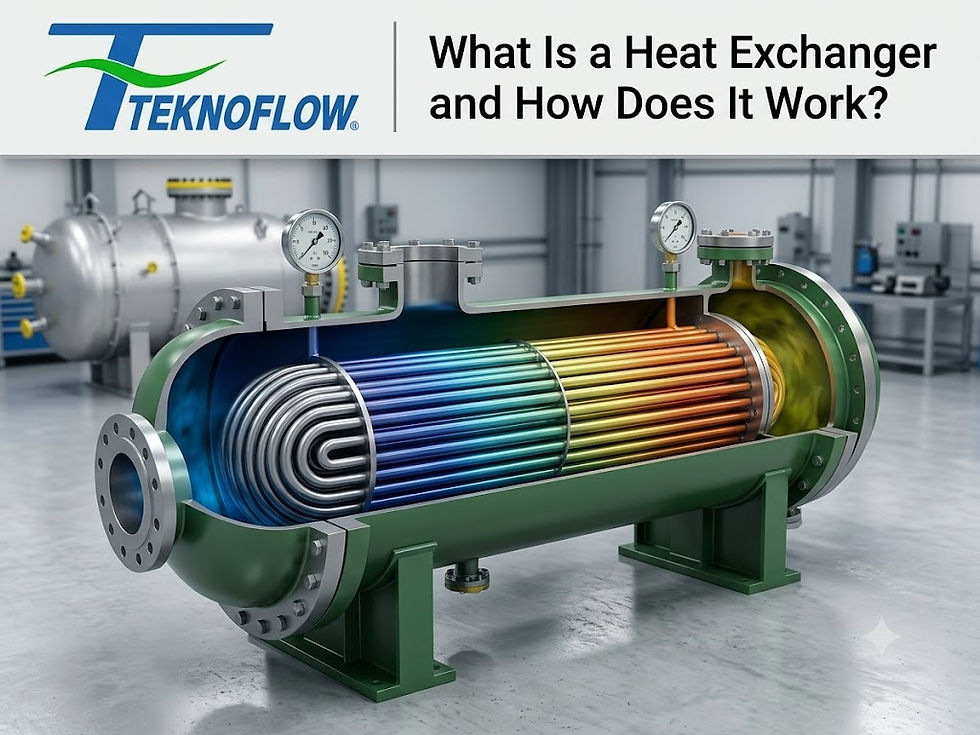
Heat exchangers designed for transferring heat between fluids
Vacuum vessels built to operate below atmospheric pressure, commonly required in specialized industrial processes
Speaking of specialized equipment, vacuum vessels manufacturers in India have also grown significantly, catering to industries like pharmaceuticals, food processing, and research laboratories that require precise negative pressure environments.
Applications Across Industries
The pressure vessel application list is vast and continues to expand. These vessels are essential in:
Oil refineries and petrochemical plants
Power generation facilities
Pharmaceutical manufacturing
Food and beverage processing
Water treatment plants
Among these, pressure vessels in oil and gas remain one of the largest consumption sectors, given the industry's constant need for storage tanks, separators, and reactors that can handle extreme pressure and temperature conditions.
Where Are Pressure Vessels Manufactured in India
India has a strong industrial base for fabrication, with clusters of skilled manufacturers spread across major cities. Pressure vessel manufacturers in Mumbai are particularly well known, given the city's proximity to ports and its long history as an industrial hub. Beyond Mumbai, states like Gujarat and Maharashtra also host several reputed pressure vessel tank manufacturers who serve both domestic and export markets.
When selecting a manufacturer, it is important to check their certifications, past project experience, and quality control processes rather than choosing based on cost alone.
Understanding Pressure Vessel Pricing
The pressure vessel price in India varies widely depending on several factors, including size, material grade, design complexity, and certification requirements. A small storage vessel for a food processing unit will cost significantly less than a large scale reactor built for petrochemical use. Buyers are encouraged to request detailed quotations that break down material costs, labor, testing, and certification charges to avoid unexpected expenses later.
Why Quality Matters More Than Price
While cost is always a consideration, cutting corners on pressure vessel manufacturing can lead to serious safety risks and expensive downtime. A trustworthy pressure vessel manufacturer invests in proper testing, certified welders, and quality raw materials, which ultimately saves money by reducing maintenance issues and extending equipment lifespan.
Final Thoughts
Manufacturing a pressure vessel is a meticulous process that blends engineering precision with strict safety compliance. From initial design to final testing, every stage plays a role in ensuring the vessel performs reliably for decades. Whether you are sourcing equipment for an oil refinery, a pharmaceutical plant, or a food processing unit, understanding this process helps you make informed decisions when choosing a supplier.
Frequently Asked Questions
1. What materials are commonly used to manufacture pressure vessels?
Most pressure vessels are made from carbon steel, stainless steel, or specialized alloys. The choice depends on the operating pressure, temperature, and the type of substance the vessel will hold, such as corrosive chemicals or high purity gases.
2. How long does it take to manufacture a pressure vessel in India?
Manufacturing time varies based on size and complexity, typically ranging from a few weeks for standard vessels to several months for large custom built units requiring specialized design and extensive testing.
3. What certifications should a pressure vessel manufacturer have?
Look for ASME certification, ISO quality management certification, and compliance with Indian Boiler Regulations where applicable. These certifications confirm the manufacturer follows recognized safety and quality standards.
4. Are vacuum vessels different from standard pressure vessels?
Yes, vacuum vessels are designed to withstand external atmospheric pressure while maintaining a lower internal pressure, whereas standard pressure vessels typically hold higher internal pressure than their surroundings.
5. What factors affect the price of a pressure vessel in India?
Pricing depends on material type, vessel size, wall thickness, design complexity, testing requirements, and any additional coatings or linings needed for corrosion resistance.


Comments